Ethiopia’s business climate is being hampered by a tax and customs system plagued by fragmented rules, unpredictable enforcement, and operational inefficiencies.
These issues are undermining compliance, deterring investment, and hindering overall economic growth.
These concerns were at the forefront of a recent high-profile Public-Private Dialogue (PPD) Forum held at the Skylight hotel, Addis Ababa.
The forum, hosted by the Addis Ababa Chamber of Commerce and Sectoral Associations (Addis Chamber), the American Chamber of Commerce in Ethiopia (AmCham), and the Center for International Private Enterprise (CIPE), brought together a diverse group of stakeholders.
Participants included representatives from the private sector, ministries, the Ethiopian Customs Commission, tax authorities, and leaders from various chambers of commerce and business associations.
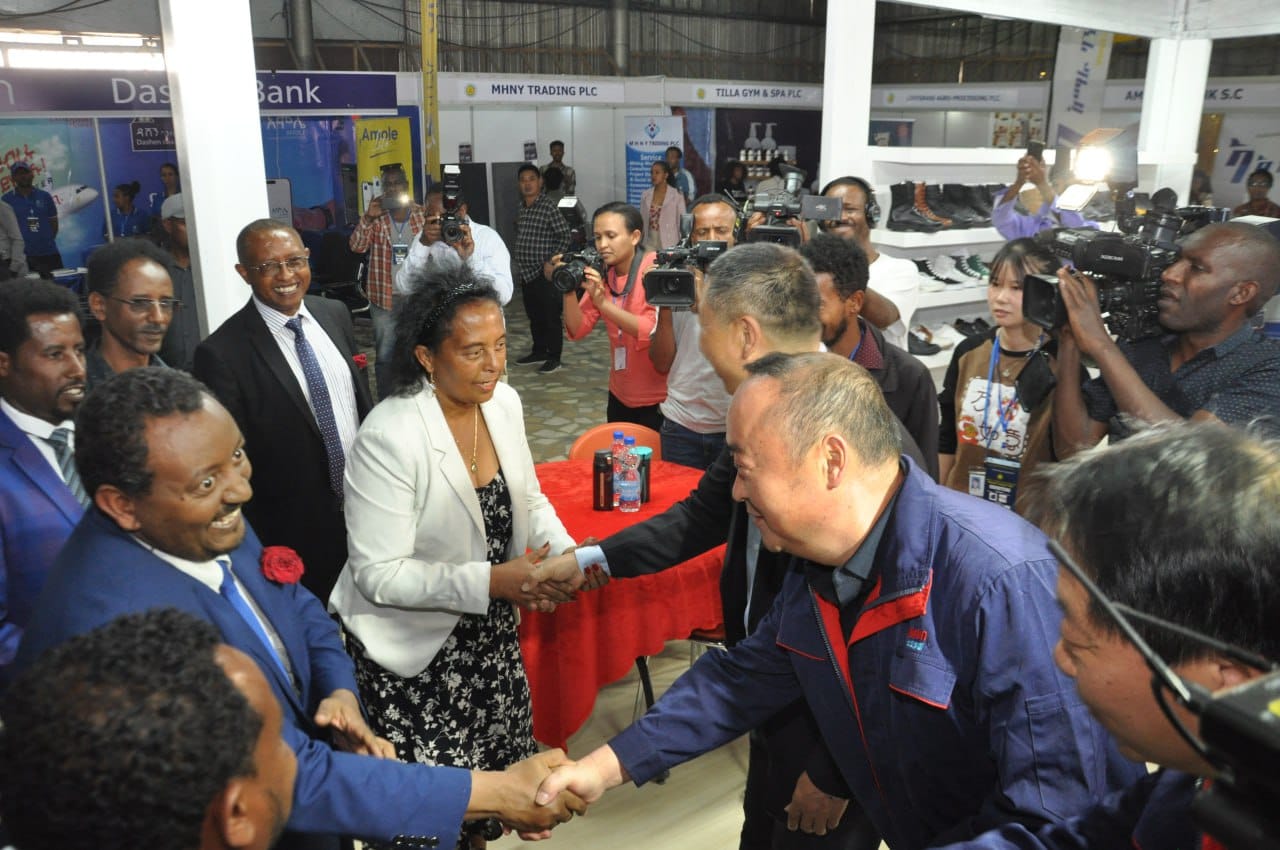
The event was held at the Skylight Hotel.H.E. Muluwork Derese, Deputy Commissioner of the Ethiopian Customs Commission, delivered an opening address, emphasizing the commission’s commitment to supporting the private sector.
She highlighted ongoing efforts to provide easy, predictable, fast, and competitive customs services.
These efforts include modernizing filing, operational, and documentation systems, as well as expanding online services and implementing an electronic single window system.
Dr. Meseret Molla, Secretary-General of the Addis Chamber, stressed the importance of PPD platforms in fostering cooperation and trust between the government and the private sector.
He stated these forums are instrumental in addressing challenges related to taxation and customs, enabling the government to collect tax revenue fairly.
He added that the PPD forum provides an avenue for the private sector to voice concerns about taxation and customs issues before they escalate.
Mr. Natnael Melaku, General Manager of AmCham in Ethiopia, acknowledged the macroeconomic reforms underway in Ethiopia to support the private sector and the broader economy.
However, he noted that AmCham members continue to face significant challenges related to tax administration and customs processes.
He expressed optimism that the government would address these issues promptly.
Subsequent to the keynote address and opening remarks, participants of the PPD forwarded major challenges facing businesses and some of these include the absence of laws to clearly define tax levies, tax conflict, tax reforms are not independent of political alienation, unable to support informal sectors to be tax payers, the newly introduced quarterly tax report in affecting manufacturing businesses , unpredictability and confusion, sudden legislative changes, high amount of deposit money requirement, institutional and operational gaps among others.
Participants of the forum also forwarded key challenges of the customs including unpredictability and procedural burden, operational delays capacity and coordination gaps.
It is also highlighted that such loopholes and challenges in affecting businesses and economy such as high compliance costs and unpredictability deterring investors, , liquidity challenges arising from delayed VAT refunds and advance tax payments , SMEs are disproportionality affected by penalties and delays among others.
Panelists from ministry of finance, customs commission shared the current reforms of taxation and customs concerning their respective organizations.
Officials from the ministry of Finance and Addis Ababa Revenue office have responded for critical
Questions raised at the forum .
The PPD forum also forwarded recommendations such as the need to introduce tax manuals undertaking prior consultation prior to introducing changes, the need to reduce appeal deposit to 20% , accept bank guarantee , the need to issue directives with advance notice , digitize and equip warehouse for improved management.