With a population of more than 130 million, Ethiopia is the second most populous nations in Africa with spiraling demand for housing with significant gap to address such necessities.
Yet there are tremendous efforts exhibited by the government to respond to the needs housing through private and public partnership (PPD) modalities and other means.
According to the Ethiopian Real estate Developers Association latest report, there are well over 450 real estate developers operating in Ethiopia and yet it is estimated that less than 20% deliver their projects on time and with the quality they promised.
Amidst of such uncertainties and doubts the Ethiopian government has issued a Real Estate Development and Real Property Marketing and Valuation Proclamation (Proclamation No. 1357/2024) , a new milestones in the history of real estate development in Ethiopia.
According to sources from Addis Ababa Chamber of Commerce, the latest proclamation put in to place by the government will play major role to align disparity between the demand for real estate and the available supply that used to be source of frustration for individuals looking to purchase homes.
Besides to these the latest proclamation is essential to align the real property valuation system with current market values in order to leverage increased property values resulting from infrastructure development and facilitate the rapid growth of cities.
While walking the talk the Addis Ababa Chamber of Commerce and Sectoral Associations (Addis Chamber) has signed a memorandum of understanding ( MoU) with the Ethiopian Real Estate Developers Association to work together.
The new agreement focuses primarily on resolving disputes through arbitration.
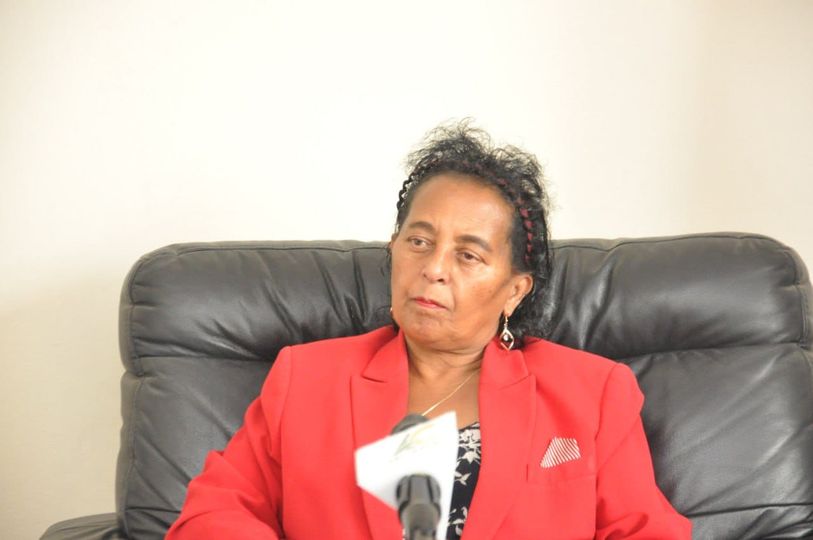
The agreement was signed by Mrs.Zahara Mohammed and Ethiopian Real Estate Developers Association President Alemayehu Ketema.
As stated in the signing ceremony, this arbitration process can reduce the time it takes to litigate in a regular court to a few months, from 3 to 7 years.
The lack of technical expertise of judges and the backlog of files in regular courts have led many buyers to give up their rights. However, arbitration is more likely to produce a fair decision because it is conducted by experts with knowledge of the field.
In contrast, in neighboring Kenya, for example, the law and arbitration courts that regulate the real estate sector have reduced fraud in the sector by 40%.
In Kenya, there are strict banking regulations that prevent developers from using buyers’ money for other purposes.
In Ethiopia, however, a developer has been seen collecting down payments from multiple buyers and using that money to buy other land or for commercial purposes instead of using it for construction. This has been a major reason why projects have been delayed for years.
According to Alemayehu Ketema, President of the Ethiopian Real Estate Developers Association, for years, illegal developers have been stealing public money, claiming that the sector is hit hard. This sad reality has deeply affected the diaspora community.
It is estimated that over $500 million is invested in the real estate sector every year, but more than half of buyers do not get their homes they purchase. This is a practice that tarnishes the image of the country and hinders the flow of foreign exchange.
Mrs. Zahara Mohammed during the signing ceremony also said the arbitration service would be a solution for buyers and developers seeking an urgent response.
The Ethiopian Real Estate Developers Association has over 100 members and has been in existence for only nine months.